Seasonal Trends in Japan's Supply Chain Industry: What to Expect and How to Prepare


Introduction to Japan's Supply Chain Seasonality
Japan's supply chain industry is renowned for its efficiency and precision. However, like any other sector, it faces seasonal fluctuations that can impact operations. Understanding these trends is crucial for businesses aiming to maintain a smooth supply chain year-round.
Seasonality in supply chain management refers to the predictable changes in demand and supply that occur at specific times of the year. In Japan, these changes are influenced by cultural events, weather patterns, and global market dynamics.
Impact of Cultural Events
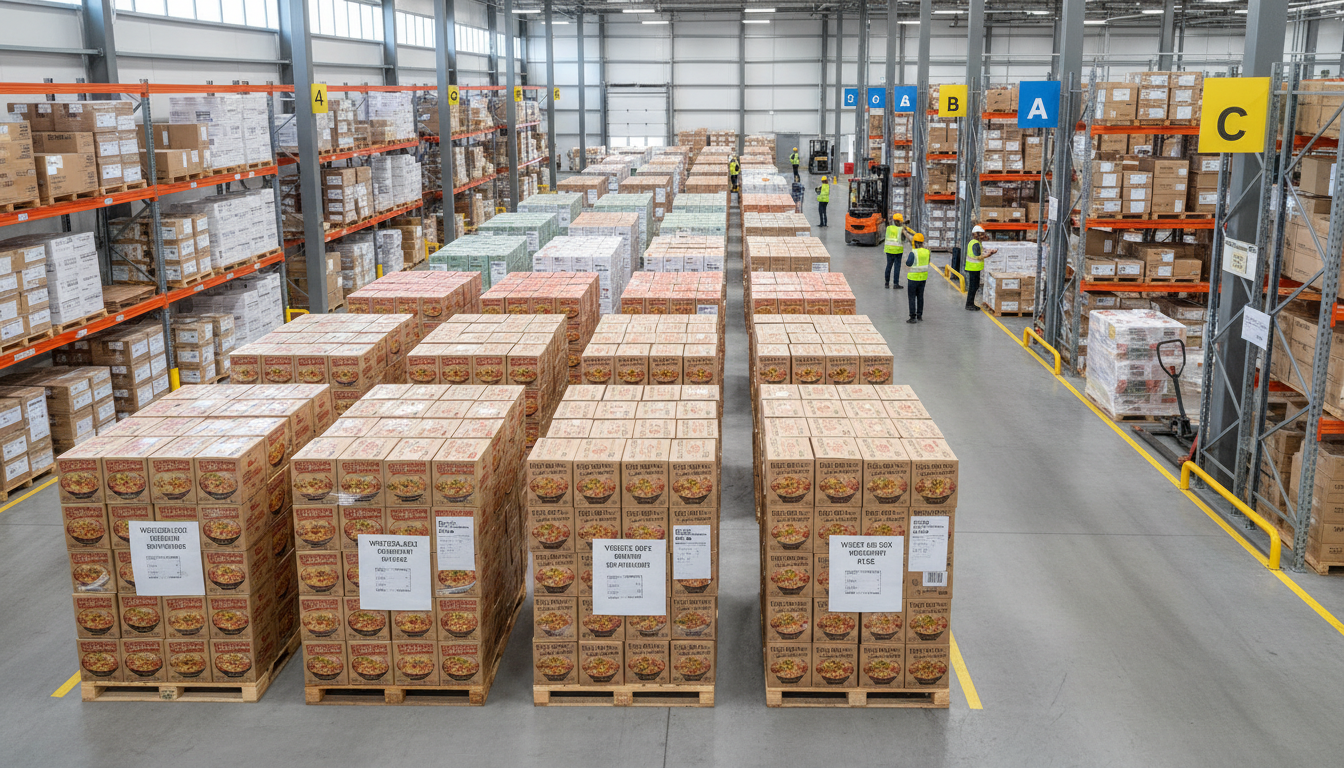
Cultural events such as the New Year and Golden Week can significantly affect supply chains. During these periods, many businesses close or reduce operations, leading to potential delays in production and distribution. Companies must anticipate these closures and adjust their schedules accordingly.
Moreover, consumer demand often spikes around these events, requiring businesses to stockpile goods in advance. Effective inventory management becomes vital to avoid stockouts and meet customer expectations.
Strategies to Manage Cultural Impact
To navigate these cultural fluctuations, companies should:
- Plan ahead: Develop a comprehensive calendar of cultural events and adjust production schedules accordingly.
- Increase inventory: Build up stock levels before major holidays to meet increased demand.
- Enhance communication: Maintain clear communication with suppliers and customers about potential delays.

Weather-Related Challenges
Japan's diverse climate can also impact the supply chain. Typhoons in late summer and heavy snowfalls in winter can disrupt transportation and logistics. Understanding these weather patterns is essential for minimizing disruptions.
Transport companies must be prepared for road closures and shipping delays during adverse weather conditions. Proactive measures such as route optimization and alternative transport plans can mitigate these challenges.
Weather Preparedness Tips
To prepare for weather-related disruptions, businesses should:
- Monitor forecasts: Regularly check weather forecasts to anticipate potential disruptions.
- Develop contingency plans: Create backup plans for transportation and logistics to ensure continuity.
- Invest in technology: Utilize advanced forecasting tools and software to enhance preparedness.

Global Market Influences
Japan's supply chain is also affected by global market dynamics. Changes in international trade policies, currency fluctuations, and global demand can influence supply chain operations. Staying informed about these global trends is vital for strategic planning.
Businesses must be agile, ready to adapt to sudden changes in the global market landscape. Building strong relationships with international partners can provide valuable insights and help mitigate the impact of global shifts.
Adapting to Global Changes
To stay ahead of global influences, consider the following strategies:
- Stay informed: Keep up-to-date with international news and trade policy changes.
- Foster partnerships: Build strong relationships with global suppliers and partners.
- Boost flexibility: Develop flexible supply chain strategies to adapt to sudden changes.
Conclusion
Understanding seasonal trends in Japan's supply chain industry is essential for maintaining efficiency and competitiveness. By preparing for cultural, weather-related, and global influences, companies can ensure a resilient supply chain that meets the demands of both domestic and international markets.