Seasonal Trends in International Trade: What to Expect


Understanding seasonal trends in international trade is crucial for businesses looking to optimize their strategies and maximize profits. As global markets become increasingly interconnected, recognizing these patterns can offer a competitive edge.
Key Seasonal Trade Influences
Several factors influence seasonal trends in international trade. These include weather changes, harvest cycles, and major holidays. For instance, agricultural products often see spikes during harvest periods, while consumer goods may experience increased demand around holidays.

Weather and Agriculture
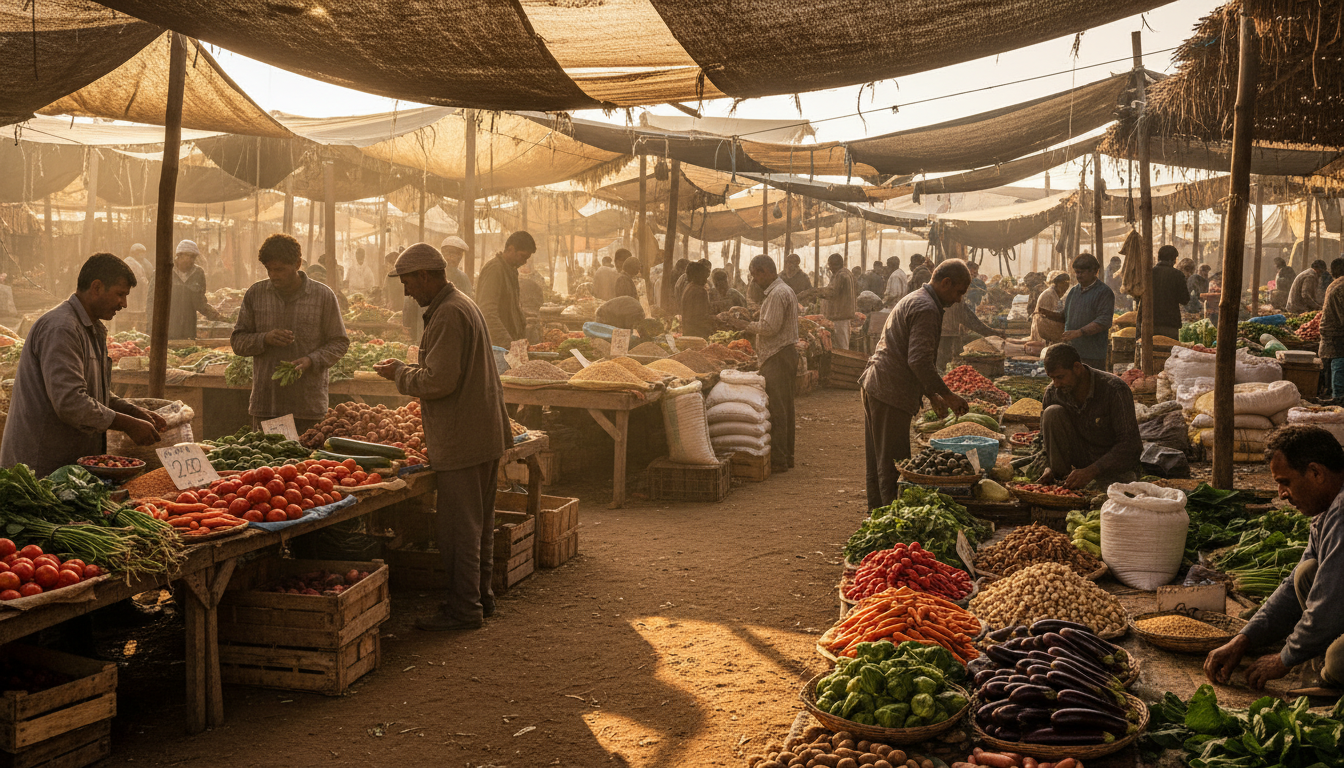
Weather plays a significant role in international trade, particularly for agricultural products. Different regions experience varying harvest times due to climate differences. As a result, the availability and price of these goods fluctuate seasonally.
For example, the coffee harvest in Brazil affects global coffee prices. Businesses involved in the coffee trade must stay informed about these cycles to make strategic purchasing and selling decisions.
Holiday Seasons
Holidays like Christmas, Chinese New Year, and Diwali greatly impact international trade. These periods often lead to increased demand for consumer goods, electronics, and apparel. Companies must anticipate these spikes to manage inventory and logistics effectively.
Retailers, in particular, benefit from understanding these trends to stock up on popular items and ensure timely delivery to meet consumer expectations.
Technology and Trade Patterns
Advancements in technology also influence seasonal trade patterns. E-commerce platforms have changed how consumers shop, leading to shifts in demand. For instance, Black Friday and Cyber Monday have become significant events impacting international trade flows.

Supply Chain Management
Efficient supply chain management is critical during peak seasons. Businesses must coordinate with suppliers, manufacturers, and logistics providers to ensure seamless operations. Delays or disruptions can lead to missed opportunities and financial losses.
Investing in technology solutions like AI and IoT can enhance supply chain visibility and help companies respond swiftly to changing market conditions.
Strategies for Businesses
To capitalize on seasonal trends, businesses should adopt a proactive approach. This involves analyzing historical data, forecasting demand, and planning inventory accordingly. Collaborating with international partners also offers insights into local market trends.
By leveraging these strategies, companies can position themselves to thrive in the dynamic landscape of international trade.