Seasonal Trade Trends in Japan: What to Expect and How to Prepare


Understanding seasonal trade trends in Japan is crucial for businesses looking to enter or expand in this dynamic market. Japan's economy is heavily influenced by cultural events, natural seasons, and consumer behavior, making it essential to be well-prepared for these changes. This blog post explores what to expect from these seasonal shifts and how businesses can strategically prepare for them.

Understanding Japan's Seasonal Trends
Japan's trade patterns are closely tied to its distinct seasons: spring, summer, autumn, and winter. Each season brings unique opportunities and challenges. For instance, spring is synonymous with cherry blossom festivals, while summer is marked by numerous festivals and outdoor activities. Recognizing these patterns allows businesses to align their marketing strategies with consumer expectations.
Spring in Japan is a time of renewal and celebration. The cherry blossom season, known as "sakura," attracts tourists and locals alike, creating a surge in demand for travel, hospitality, and food-related services. Businesses can capitalize on this by offering seasonal promotions and products that resonate with the festive spirit.
Summer: A Time for Festivals and Travel
Summer is characterized by a plethora of cultural festivals, or "matsuri." This season sees increased consumer spending on travel, food, and entertainment. Companies can benefit by launching targeted campaigns that emphasize summer experiences, such as travel packages or festival-related merchandise.

Moreover, the summer months are an opportune time for businesses in the fashion and beverage industries to introduce new products. Lightweight clothing and refreshing drinks often see a spike in sales, driven by the warm weather and active lifestyle of consumers.
Autumn and Winter: Shifts in Consumer Behavior
As the leaves change color, autumn brings a focus on food and fashion. The demand for seasonal foods, particularly those associated with harvest festivals, increases significantly. Retailers can boost sales by promoting products that highlight the flavors and traditions of autumn.
Winter: Embracing the Festive Spirit
Winter in Japan is synonymous with end-of-year celebrations and gift-giving. The holiday season, including Christmas and New Year, sees a surge in retail activities. Businesses should prepare for this by stocking up on gift items and offering attractive deals to attract holiday shoppers.
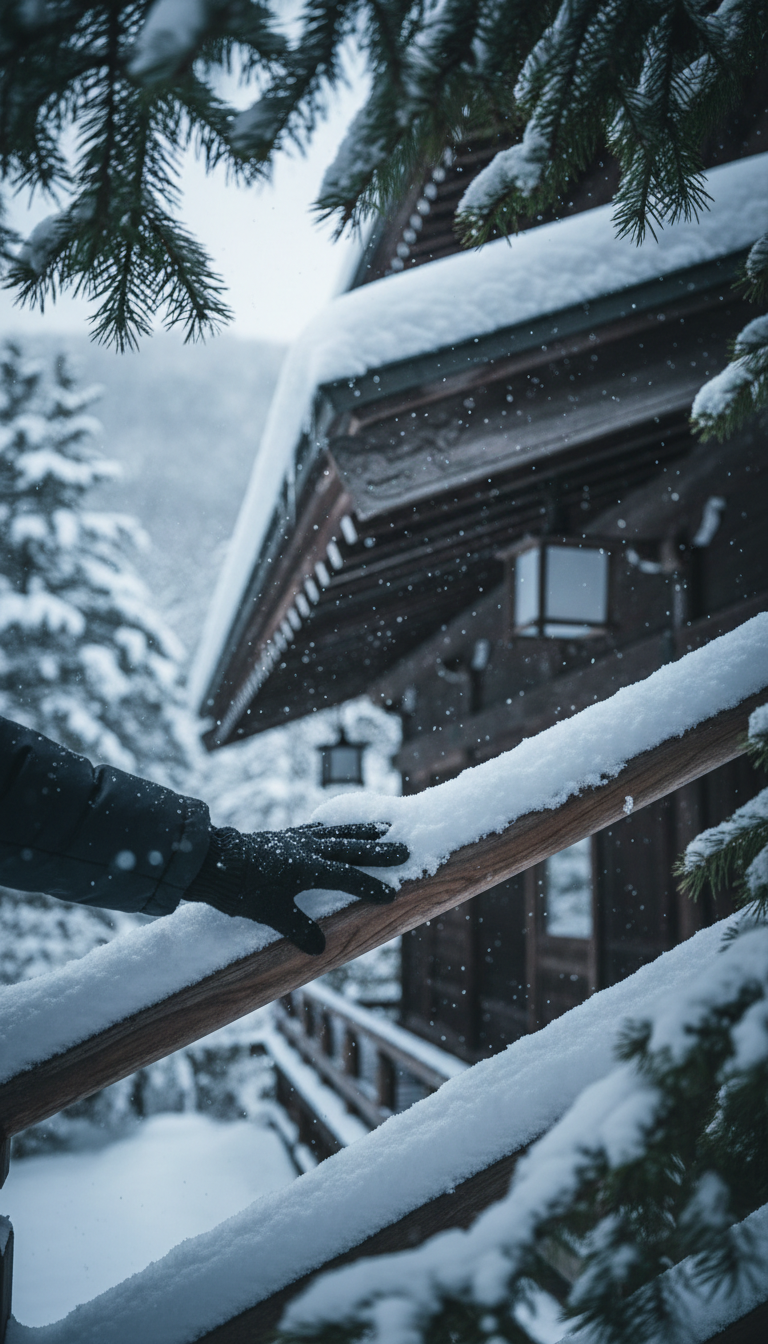
Additionally, winter sports and hot spring resorts become popular destinations, presenting opportunities for travel and hospitality sectors to market their offerings. Highlighting the unique experiences of winter in Japan can draw both domestic and international tourists.
Strategies for Businesses
To effectively navigate these seasonal trends, businesses should consider the following strategies:
- Market Research: Understand the specific seasonal preferences of your target audience.
- Flexible Inventory Management: Adjust your inventory to meet seasonal demand fluctuations.
- Collaborations: Partner with local businesses to create complementary promotions.
By aligning your business strategies with Japan's seasonal trade trends, you can maximize opportunities and minimize risks, ensuring a successful presence in this vibrant market.