Seasonal Logistics Challenges in Japan and How to Overcome Them


Understanding Seasonal Logistics Challenges in Japan
Japan's unique geographical and climatic conditions present a variety of logistical challenges that change with the seasons. From typhoons in the summer to heavy snow in the winter, these seasonal variations can disrupt supply chains, affecting transportation and delivery times. Understanding these challenges is crucial for businesses looking to maintain efficiency and reliability.
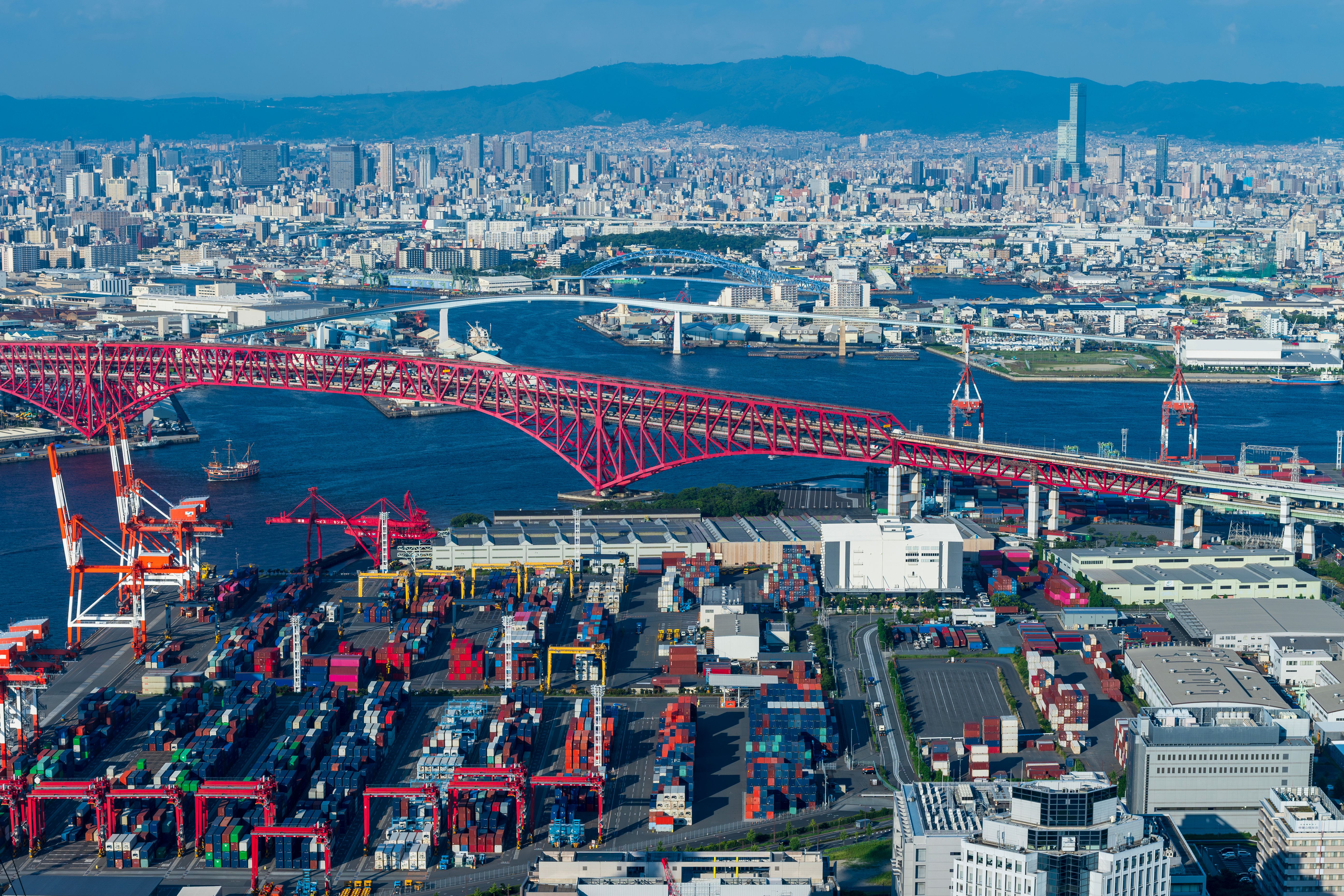
Summer: Navigating the Typhoon Season
Summer in Japan is synonymous with the typhoon season. These powerful storms can cause significant disruptions to transportation networks, including road blockages, flight cancellations, and port closures. Businesses must plan for potential delays and consider alternative routes and transportation methods to ensure timely deliveries.
Proactive measures, such as investing in advanced weather forecasting tools and establishing flexible supply chain strategies, can mitigate the impact of typhoons. Additionally, maintaining open communication with logistics partners is essential to adapting quickly to changing conditions.

Winter: Dealing with Heavy Snowfall
Winter brings heavy snowfall, particularly in northern regions like Hokkaido. Snow can obstruct roads and railways, causing delays in freight movement. To overcome these challenges, businesses should consider partnering with local logistics providers familiar with the region's winter conditions.
Implementing robust inventory management systems can help companies anticipate and prepare for potential delays, ensuring that critical supplies are available when needed. Businesses might also explore using winter-optimized vehicles and equipment to maintain operational efficiency.

Spring and Fall: Addressing Temperature Fluctuations
While spring and fall are generally milder, they come with their own set of challenges, including temperature fluctuations that can affect the transportation of temperature-sensitive goods. Companies dealing with perishable goods need to invest in reliable refrigeration and temperature control systems during these transitional seasons.
Regular maintenance and monitoring of these systems are crucial to prevent spoilage and ensure product quality. Additionally, businesses should work closely with logistics partners to optimize delivery schedules and minimize exposure to adverse conditions.
Technological Solutions to Seasonal Challenges
Technology plays a vital role in overcoming seasonal logistics challenges. Implementing advanced tracking systems allows businesses to monitor shipments in real time, providing crucial data for making informed decisions during disruptive weather events.
Moreover, leveraging data analytics can help companies anticipate seasonal trends and adjust their logistics strategies accordingly. Predictive analytics can provide insights into potential disruptions, allowing businesses to stay ahead of challenges and ensure seamless operations.

Collaborative Strategies for Success
Successful navigation of Japan's seasonal logistics challenges requires collaboration between businesses, logistics providers, and local authorities. Building strong relationships with partners ensures a coordinated response to any disruptions that may arise.
Joint planning sessions and regular communication can foster a proactive approach, allowing stakeholders to share insights and resources. This collaborative spirit is essential for minimizing the impact of seasonal challenges on supply chains.
In conclusion, while Japan's seasonal logistics challenges can be daunting, a combination of strategic planning, technological investment, and collaborative efforts can help businesses overcome these obstacles and maintain a resilient supply chain year-round.