Optimizing Logistics for the Japanese Market: A Comprehensive Guide


Understanding the Japanese Market
Japan's logistics market is a unique blend of modern technology and traditional practices. Understanding the local consumer behavior, preferences, and regulatory requirements is essential for any business looking to optimize logistics in this market. The Japanese market is known for its high expectations regarding quality and punctuality, making it crucial for logistics providers to ensure precision and reliability in their services.

Businesses must also be mindful of Japan's complex distribution networks, which often involve several intermediaries. Establishing strong relationships with local partners can be an effective way to navigate this intricate system.
Regulatory Compliance
Compliance with local regulations is a critical aspect of logistics in Japan. Companies must adhere to strict guidelines related to packaging, labeling, and environmental standards. The Japanese government is proactive in ensuring that businesses meet these regulations, and failure to comply can lead to significant penalties.
To streamline the process, many businesses collaborate with local experts who are well-versed in the regulatory landscape. This approach not only helps in avoiding legal pitfalls but also in gaining insights into local market trends.

Leveraging Technology
Technology plays a pivotal role in optimizing logistics for the Japanese market. From automated warehouses to AI-driven supply chain management systems, integrating advanced technology can significantly enhance efficiency and reduce costs. Many companies are investing in IoT and blockchain technologies to improve transparency and traceability in their operations.
Efficient Transportation Networks
Japan's transportation infrastructure is among the best in the world, offering a vast network of railways, roads, and ports. Utilizing these efficient transportation options can greatly enhance logistics operations. Businesses should focus on optimizing routes and leveraging multimodal transport to reduce transit times and costs.

Moreover, partnering with local logistics providers who have in-depth knowledge of the local transport systems can provide a competitive edge.
Adapting to Consumer Expectations
Japanese consumers place a high value on punctuality and precision. As such, companies must ensure that their logistics operations are capable of delivering products quickly and accurately. Implementing just-in-time delivery models can help in meeting these expectations and enhancing customer satisfaction.
Sustainability and Environmental Considerations
Environmental sustainability is becoming increasingly important in Japan. Consumers and businesses alike are more conscious of the environmental impact of their activities. Incorporating green logistics practices, such as reducing emissions and utilizing eco-friendly packaging, can not only help in achieving compliance but also in building a positive brand image.
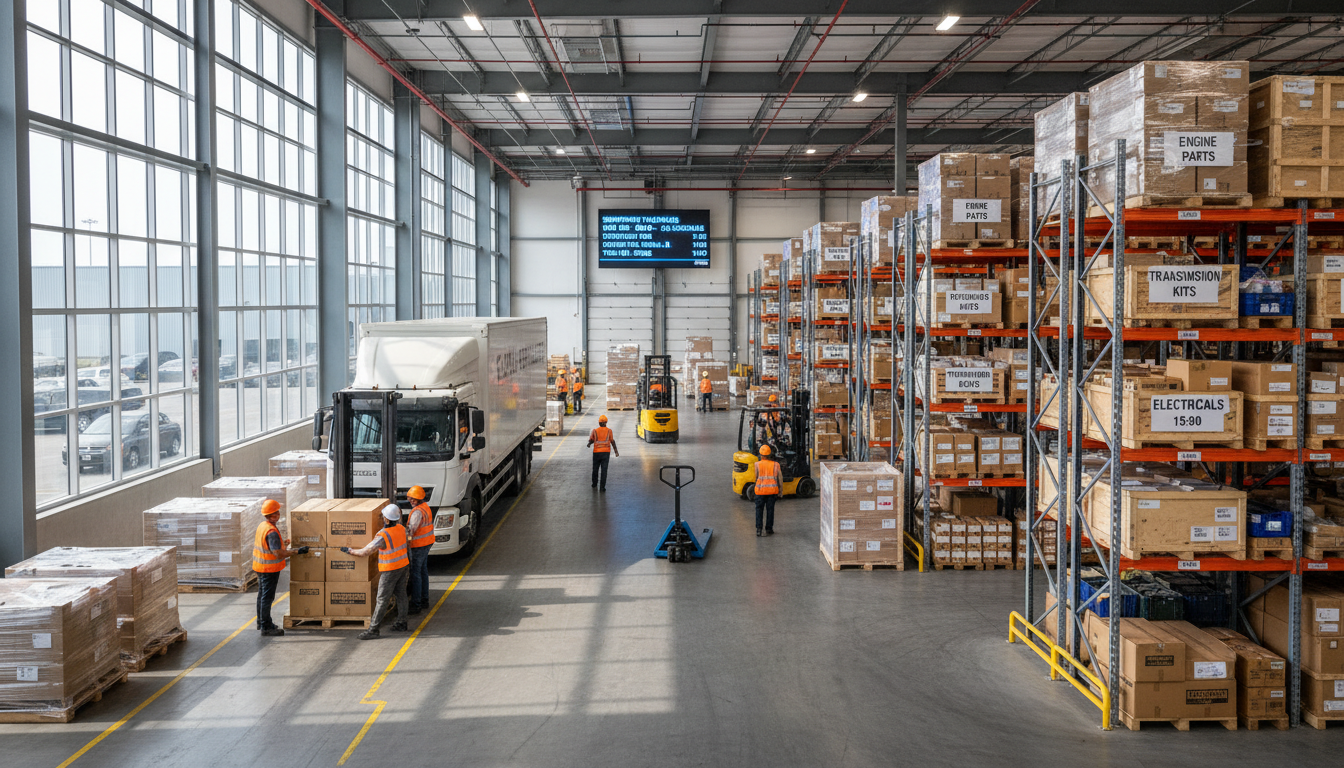
By focusing on these key areas, businesses can effectively optimize their logistics operations for the Japanese market, ensuring long-term success and sustainability.