Navigating Japan's Export Regulations: A Comprehensive Guide


Japan, as one of the world's leading economies, offers numerous opportunities for businesses looking to export goods. However, navigating its export regulations can be complex. Understanding these regulations is crucial for ensuring compliance and smooth transactions.
Export regulations in Japan are governed by a combination of laws and policies designed to protect national interests, ensure safety, and promote fair trade. These regulations can vary depending on the type of goods and the destination country.

Understanding Export Control Laws
Japan's export control laws are primarily focused on maintaining international peace and security. The Foreign Exchange and Foreign Trade Act (FEFTA) serves as the cornerstone of these regulations. Under FEFTA, certain goods and technologies are subject to export restrictions.
Exporters must be aware of the items on the Control List, which includes weapons, dual-use goods, and sensitive technologies. Obtaining the necessary export licenses is a critical step for compliance.
Export License Requirements
An export license is mandatory for goods that fall under controlled categories. The application process involves detailed documentation, including the nature of the goods, the end-use, and the information about the end-user. The Ministry of Economy, Trade and Industry (METI) is responsible for issuing these licenses.

Customs Procedures and Documentation
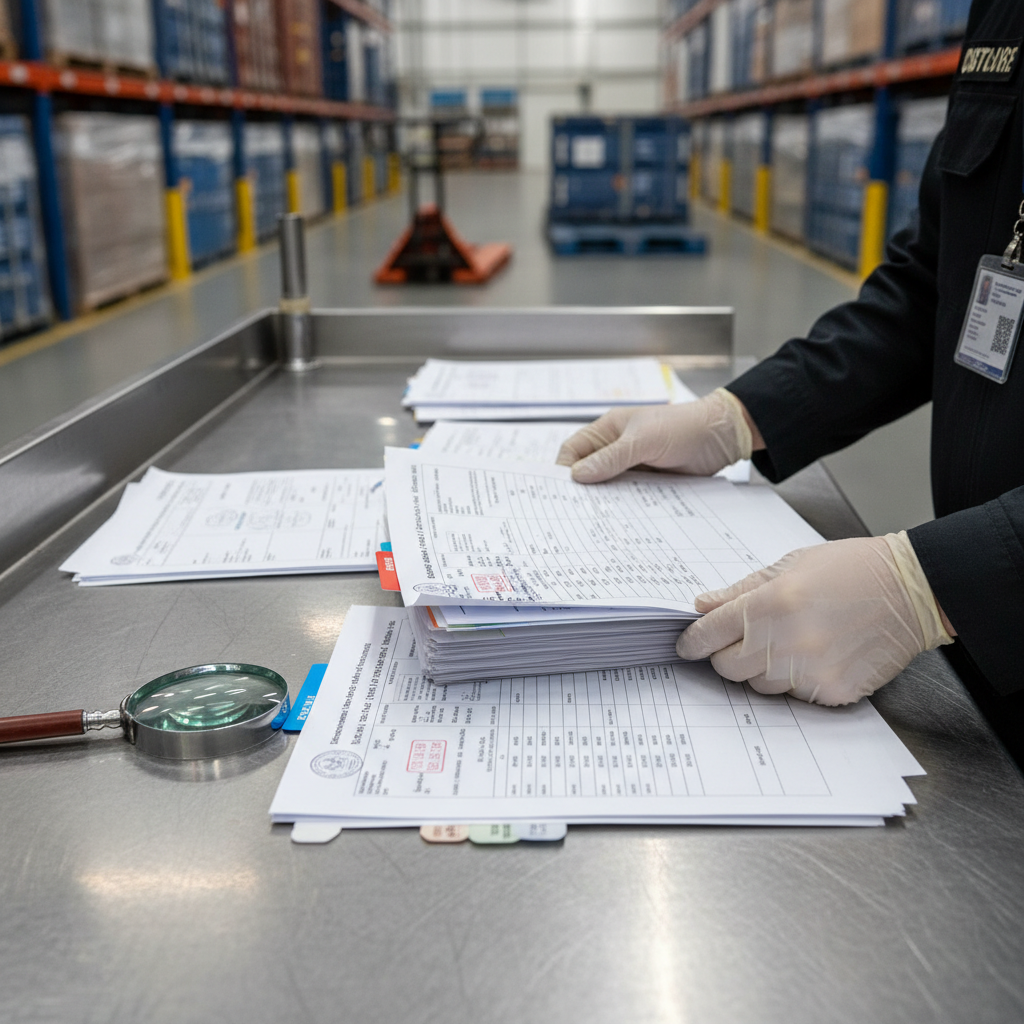
Customs procedures in Japan are streamlined yet require meticulous attention to detail. Exporters must prepare accurate documentation to prevent delays and ensure compliance. Essential documents include the Invoice, Packing List, and Export Declaration.
Additionally, understanding the Harmonized System (HS) codes for your products is crucial. These codes determine tariff rates and are essential for export documentation.
Role of Customs Brokers
Customs brokers can be invaluable in navigating Japan's complex export procedures. They assist with documentation, ensure compliance with regulations, and facilitate smooth customs clearance. Engaging a knowledgeable customs broker can save time and reduce potential risks.
Trade Agreements and Tariffs
Japan is part of several trade agreements that can benefit exporters through reduced tariffs and simplified procedures. The Economic Partnership Agreements (EPAs) and Free Trade Agreements (FTAs) with various countries provide opportunities for favorable trade terms.
Exporters should explore the benefits of these agreements to maximize their competitive advantage. Familiarity with the terms can lead to significant cost savings and expanded market access.
Adapting to Regulatory Changes
Export regulations are subject to change due to evolving international relations and economic policies. Staying informed about regulatory updates is essential for exporters. Subscribing to official bulletins and engaging with trade associations can provide timely information.
By understanding and adapting to Japan’s export regulations, businesses can ensure compliance, avoid penalties, and successfully expand their global reach.