Myth-Busting Customs Regulations: Common Misconceptions Debunked


Understanding customs regulations is crucial for businesses involved in international trade. However, there are numerous myths that can lead to confusion and even costly mistakes. In this blog post, we will debunk some of the most common misconceptions about customs regulations.
Myth 1: All Goods Are Treated Equally
One prevalent myth is that all goods are treated the same under customs regulations. In reality, customs rules vary significantly depending on the type of goods being imported or exported. Different products may have specific requirements, such as additional documentation, certifications, or even bans in certain countries.
Product Classifications Matter
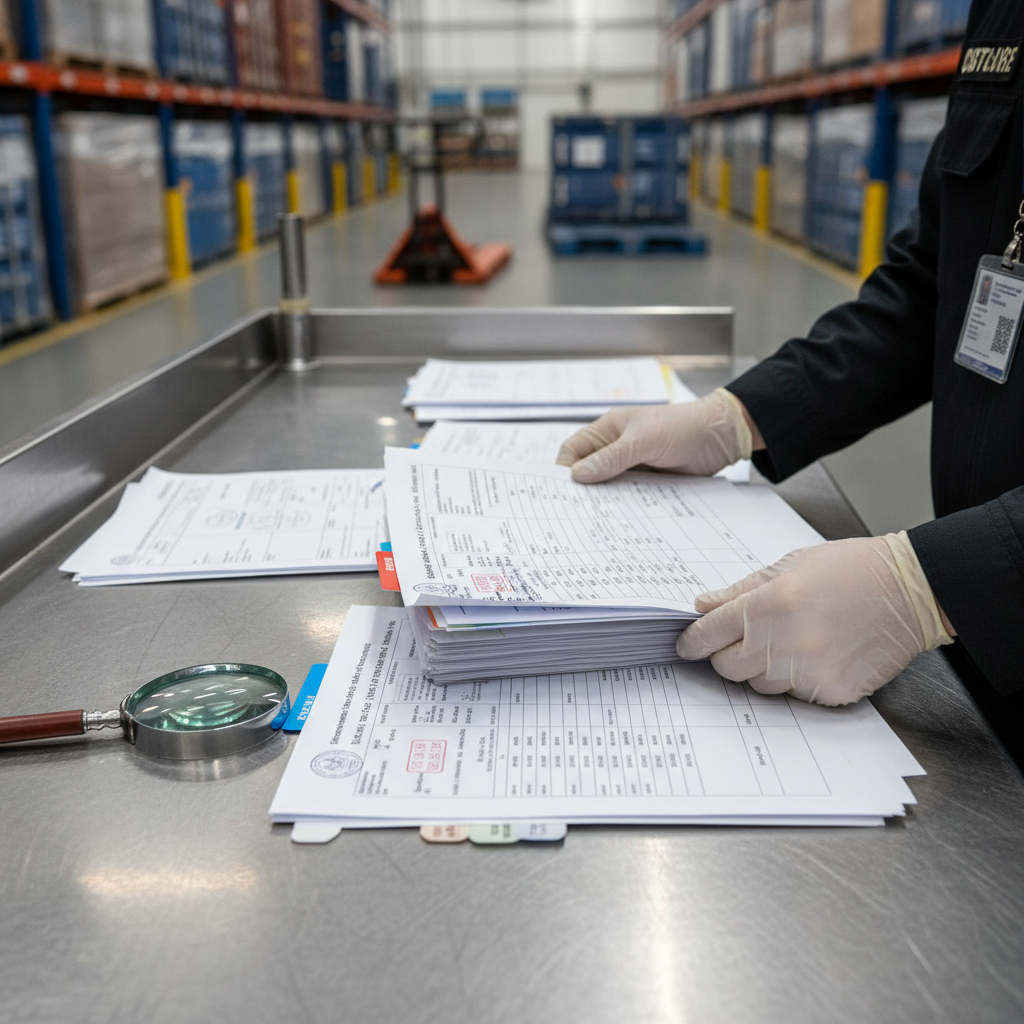
Understanding the Harmonized System (HS) codes is essential. These codes classify products and determine tariff rates and regulations. Misclassifying your goods can lead to delays, fines, or even legal issues. Make sure you accurately classify your products to avoid unexpected problems.
Myth 2: Customs Regulations Are the Same Worldwide
Another misconception is that customs regulations are uniform across the globe. In truth, each country has its own set of rules and procedures. What is acceptable in one country might be restricted or prohibited in another.

Stay Updated on Local Laws
For businesses operating in multiple countries, it's vital to stay informed about local customs regulations and changes. Partnering with a knowledgeable customs broker can help navigate these complex laws and ensure compliance.
Myth 3: Declaring a Lower Value Saves Money
Some businesses believe that declaring a lower value on goods can save money on duties and taxes. This practice is not only illegal but also risky. Customs authorities have the right to reassess the value of goods and impose penalties if they find discrepancies.
Honesty Is the Best Policy
Ensure that the declared value of your goods is accurate and supported by proper documentation. This transparency helps build trust with customs officials and avoids potential legal issues.
Myth 4: Customs Procedures Are Slow and Inefficient
Many people assume that customs procedures are inherently slow and inefficient. While delays can occur, advancements in technology and streamlined processes have significantly improved efficiency in many regions.
Take Advantage of Technology
Utilize digital platforms and tools to streamline your customs processes. Electronic filing and automated systems can expedite clearance and reduce errors, ensuring a smoother experience.
By understanding and debunking these common myths, businesses can better navigate the complexities of customs regulations. With accurate information and the right strategies, you can ensure compliance and optimize your international trade operations.