Expert Tips for Logistics Optimization: Enhancing Efficiency and Reducing Costs


Understanding Logistics Optimization
Logistics optimization is a crucial aspect of supply chain management that focuses on improving efficiency and reducing costs. By strategically managing the movement and storage of goods, businesses can ensure timely delivery and maintain customer satisfaction. In this post, we will explore expert tips to enhance logistics operations.
Streamlining Inventory Management
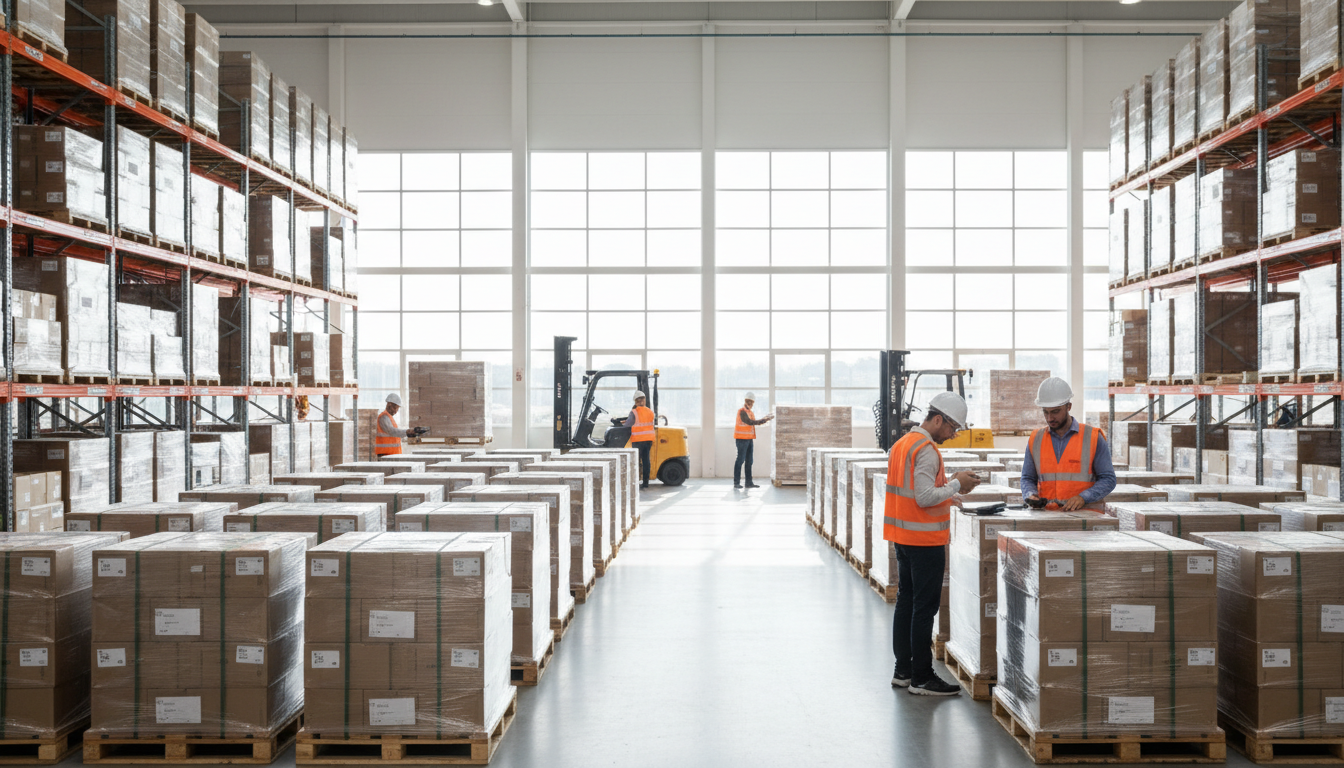
Effective inventory management is fundamental to logistics optimization. Maintaining optimal stock levels helps prevent overstocking and stockouts, which can lead to unnecessary expenses. Implementing an inventory management system can provide real-time tracking and ensure accurate forecasting.
Additionally, adopting a Just-In-Time (JIT) approach can minimize inventory holding costs. This strategy involves receiving goods only as they are needed in the production process, reducing the need for extensive warehousing.
Leveraging Technology
Technology plays a significant role in logistics optimization. Implementing tools such as Transportation Management Systems (TMS) and Warehouse Management Systems (WMS) can streamline operations. These systems offer insights into route optimization, load consolidation, and delivery tracking, enhancing overall efficiency.

Optimizing Transportation Routes
Efficient transportation is key to reducing logistics costs. By analyzing and optimizing routes, companies can decrease fuel consumption and improve delivery times. Utilizing GPS technology and route optimization software can help identify the most efficient paths, reducing travel distance and time.
Additionally, collaborating with reliable carriers and exploring multimodal transportation options can further enhance cost-efficiency and flexibility in logistics operations.
Enhancing Supplier Relationships
Building strong relationships with suppliers is essential for logistics optimization. Open communication and collaboration with suppliers can lead to better terms, improved service levels, and reduced lead times. Establishing strategic partnerships can also result in shared resources and cost savings.

Implementing Sustainable Practices
Incorporating sustainable practices into logistics can lead to long-term cost savings and environmental benefits. By reducing waste, optimizing packaging, and utilizing energy-efficient transportation modes, companies can lower their carbon footprint and operational expenses.
Furthermore, adopting green logistics practices can enhance brand reputation and align with increasing consumer demand for environmentally responsible businesses.
Continuous Improvement and Monitoring
Continuous improvement is vital for successful logistics optimization. Regularly monitoring key performance indicators (KPIs) such as delivery accuracy, transportation costs, and inventory turnover can provide valuable insights. Businesses should conduct periodic reviews and adjust strategies as needed to maintain efficiency and cost-effectiveness.
Investing in employee training and development can also contribute to continuous improvement by ensuring staff are equipped with the necessary skills and knowledge to adapt to evolving logistics challenges.