Customs Regulation Advice for Businesses Entering the Japanese Market


Understanding Japanese Customs Regulations
Entering the Japanese market can be a lucrative opportunity for many businesses. However, understanding the customs regulations is crucial to ensure a smooth entry. Japan has specific rules and requirements that must be adhered to in order to avoid delays and additional costs.

The first step for any business is to research the specific category of goods they intend to export. Japan classifies goods into different categories, each with its own set of regulations. Some products may require special permits or certifications, such as electronics or food items.
Key Documentation Required
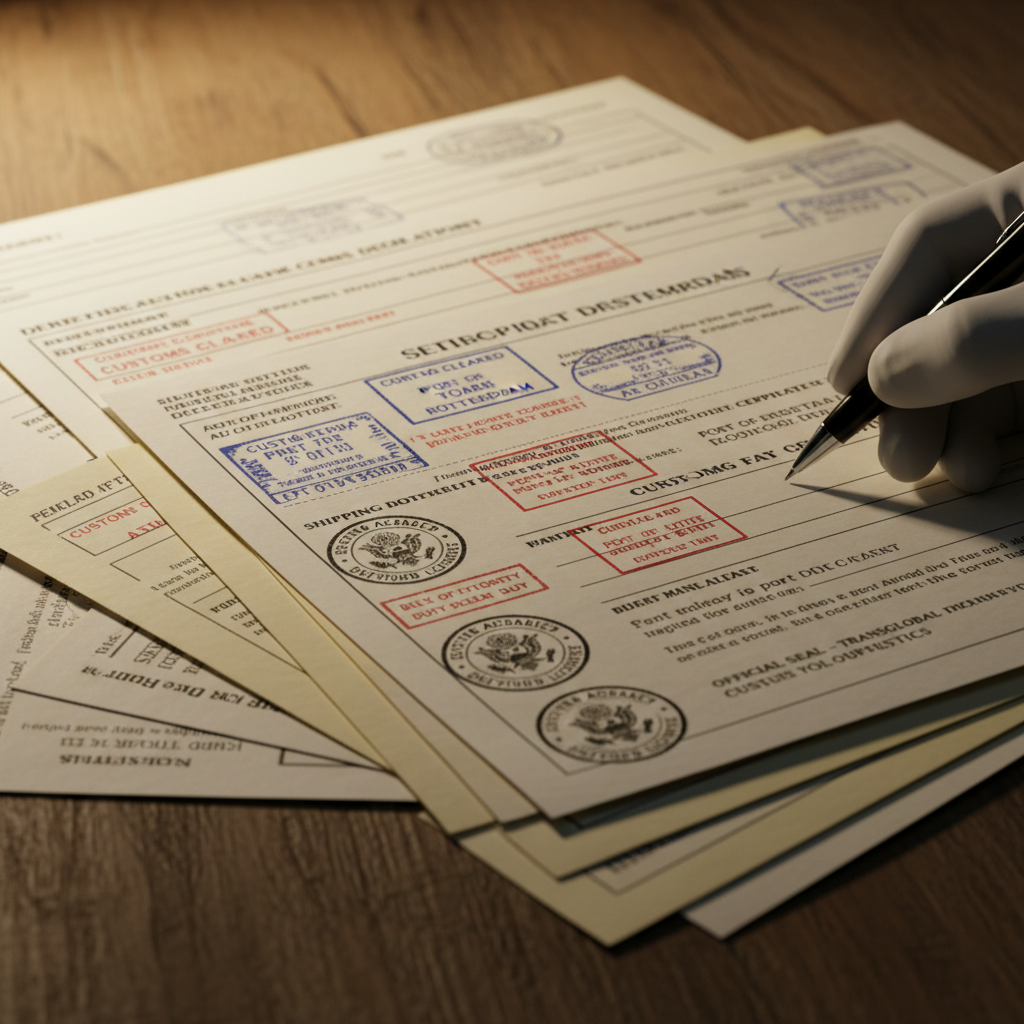
Proper documentation is essential for clearing customs in Japan. The primary documents include a commercial invoice, packing list, and an import declaration form. Each document must be filled out accurately to prevent any issues at the border.
It's also important to pay attention to labeling requirements. Products must be labeled in Japanese, detailing the product name, ingredients, and country of origin, among other details. This ensures compliance with local consumer protection laws.
Import Duties and Taxes
Understanding import duties and taxes is crucial. Japan imposes import duties on a variety of goods, and these can vary significantly based on the product category. Additionally, consumption tax is applied to all imported goods, which is currently set at 10%.
Businesses should be aware of any exemptions or reductions that might apply to their products, as this can significantly impact the overall cost of importing goods into Japan.

Working with a Customs Broker
For businesses new to the Japanese market, working with a customs broker can be incredibly beneficial. These professionals are well-versed in the intricacies of Japanese customs regulations and can provide invaluable advice and assistance.
Customs brokers can help ensure that all documentation is in order, assist with tariff classifications, and facilitate communication with Japanese customs officials. Their expertise can save time and prevent costly mistakes.

Staying Informed on Regulatory Changes
Japanese customs regulations can change, and staying informed is key to maintaining compliance. Businesses should regularly review updates from the Japanese customs authority and consider joining relevant industry groups or associations for timely information.
By staying proactive and informed, businesses can navigate the complexities of entering the Japanese market more effectively and capitalize on the opportunities it offers.